

As a cushion paper supplier, one question I often encounter from customers is whether cushion paper is waterproof. This seemingly simple question has a rather complex answer that involves understanding the nature of cushion paper, its manufacturing processes, and the various applications it serves. In this blog post, I'll delve into the topic, exploring the waterproof properties of cushion paper, and discussing the factors that influence them.
What is Cushion Paper?
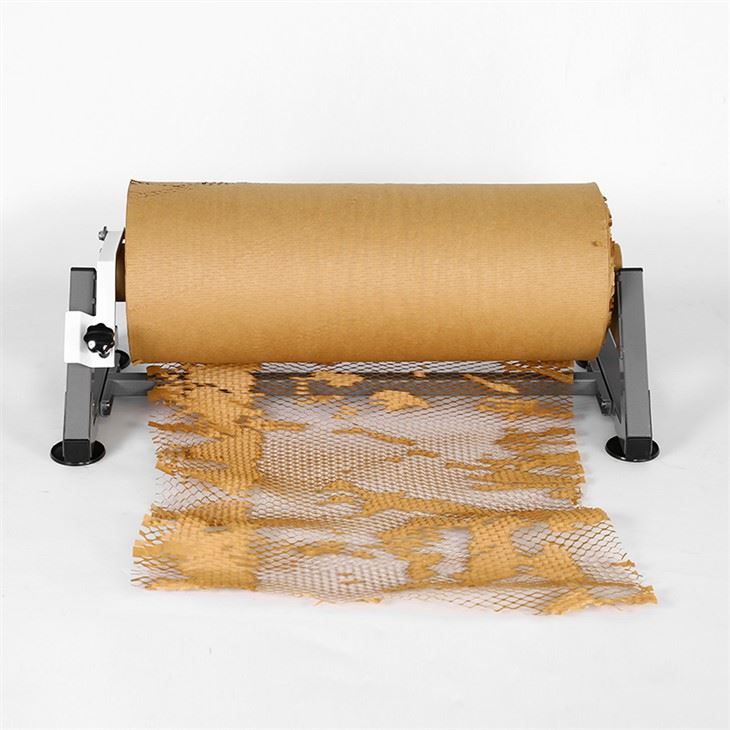
Cushion paper is a type of packaging material designed to protect items during transit and storage. It is typically made from paper fibers that are formed into a variety of shapes and structures, such as honeycombs, bubbles, or crinkles. These structures provide cushioning and shock absorption, preventing damage to fragile items. Cushion paper is widely used in industries such as electronics, glassware, and food packaging, where protecting products from impact and vibration is crucial.

The Nature of Paper and Water Resistance
Paper, by its very nature, is hydrophilic, meaning it has an affinity for water. This is because paper is made from cellulose fibers, which contain hydroxyl groups that can form hydrogen bonds with water molecules. When paper comes into contact with water, these hydrogen bonds cause the water to be absorbed into the fibers, leading to swelling, weakening, and eventually disintegration of the paper structure.
However, the degree to which paper is affected by water depends on several factors, including the type of paper, its thickness, the presence of additives, and the manufacturing process. For example, papers with a higher density and more tightly packed fibers are generally more resistant to water absorption than those with a looser structure. Additionally, papers that have been treated with water-resistant coatings or additives can have improved water resistance.
Is Cushion Paper Waterproof?
In general, most standard cushion papers are not waterproof. As mentioned earlier, the cellulose fibers in paper make it prone to water absorption, which can compromise its cushioning properties and structural integrity. When cushion paper gets wet, it loses its ability to provide effective shock absorption, and it may also become moldy or develop unpleasant odors, which can be a significant problem for certain applications.
However, there are some types of cushion paper that have been specially treated or manufactured to be more water-resistant. These papers may be coated with a thin layer of wax, plastic, or other water-repellent materials, or they may be made from fibers that have been chemically modified to reduce their hydrophilicity. These water-resistant cushion papers can provide some level of protection against moisture, making them suitable for use in environments where there is a risk of exposure to water or high humidity.
Factors Affecting the Water Resistance of Cushion Paper
Several factors can influence the water resistance of cushion paper. Understanding these factors can help you choose the right type of cushion paper for your specific application.
- Type of Paper: Different types of paper have different inherent water resistance properties. For example, papers made from recycled fibers may be more porous and less water-resistant than those made from virgin fibers. Additionally, papers with a higher basis weight (thickness) are generally more resistant to water penetration than thinner papers.
- Coating and Treatments: As mentioned earlier, cushion papers can be coated or treated with water-repellent materials to improve their water resistance. The type and quality of the coating or treatment can have a significant impact on the paper's performance. For example, a wax coating may provide good short-term water resistance, but it may not be suitable for long-term exposure to water or high humidity. On the other hand, a plastic coating may provide more durable water resistance but may also make the paper less environmentally friendly.
- Manufacturing Process: The manufacturing process can also affect the water resistance of cushion paper. For example, papers that are produced using a high-pressure process may have a more compact structure and better water resistance than those produced using a low-pressure process. Additionally, papers that are dried at a higher temperature may have a more stable structure and be less prone to water absorption.
- Environmental Conditions: The environmental conditions in which the cushion paper is used can also affect its water resistance. For example, high humidity levels can increase the likelihood of water absorption, even in water-resistant papers. Similarly, exposure to rain, snow, or other forms of liquid water can quickly overwhelm the paper's water resistance.
Applications of Waterproof Cushion Paper
While standard cushion paper may not be suitable for applications where there is a high risk of water exposure, waterproof cushion paper can be used in a variety of situations. Some common applications of waterproof cushion paper include:
- Outdoor Packaging: When shipping or storing items outdoors, there is a risk of exposure to rain, snow, or other forms of moisture. Waterproof cushion paper can provide an extra layer of protection for these items, ensuring that they remain safe and undamaged during transit.
- Food Packaging: In the food industry, it is important to protect products from moisture to prevent spoilage and contamination. Waterproof cushion paper can be used to line food containers or to wrap individual food items, providing a barrier against water and humidity.
- Electronics Packaging: Electronics are sensitive to moisture, which can cause corrosion and damage to the components. Waterproof cushion paper can be used to protect electronic devices during shipping and storage, reducing the risk of moisture-related damage.
Our Waterproof Cushion Paper Solutions
As a cushion paper supplier, we understand the importance of providing our customers with high-quality, reliable packaging solutions. That's why we offer a range of waterproof cushion paper products that are designed to meet the specific needs of different industries and applications.
Our waterproof cushion papers are made from high-quality materials and are treated with advanced water-repellent coatings to ensure maximum protection against moisture. They are available in a variety of thicknesses, sizes, and structures, allowing you to choose the right product for your specific requirements.
In addition to our standard waterproof cushion paper products, we also offer custom solutions to meet your unique packaging needs. Our team of experts can work with you to design and develop a waterproof cushion paper solution that is tailored to your specific application, ensuring that you get the best possible protection for your products.
Related Products
If you're interested in exploring other packaging solutions, we also offer a range of related products, including:
- Double Rod Honeycomb Paper Wrap Dispenser: This innovative dispenser is designed to make it easy to use honeycomb paper wrap for packaging applications. It features a double rod design that allows for smooth and efficient dispensing of the paper, reducing waste and improving productivity.
- OEM Honeycomb Paper Wrap Dispenser: Our OEM honeycomb paper wrap dispenser is a customizable solution that can be tailored to your specific requirements. It is available in a variety of sizes and configurations, allowing you to choose the right dispenser for your production line.
- Automatic Recyclable Honeycomb Paper Packing: This automatic packing system is designed to streamline the packaging process and improve efficiency. It uses recyclable honeycomb paper to provide excellent cushioning and protection for your products, while also reducing your environmental impact.
Contact Us for Procurement
If you're interested in learning more about our waterproof cushion paper products or any of our other packaging solutions, we encourage you to contact us for a procurement discussion. Our team of experts is ready to assist you in finding the right packaging solution for your specific needs and to provide you with a competitive quote.
We look forward to the opportunity to work with you and to help you protect your products with our high-quality cushion paper solutions.
References
- Brown, R. H. (2005). The Chemistry of Pulp and Paper: An Introduction. Springer.
- Hubbe, M. A., & Rojas, O. J. (2008). Paper and Cellulosic Materials. Encyclopedia of Polymer Science and Technology.
- Kamdem, D. P., & Jones, J. R. (2000). Handbook of Wood Chemistry and Wood Composites. CRC Press.