

In the ever - evolving landscape of marketing and communication, personalized emails have emerged as a powerful tool for businesses to engage with their customers on a deeper level. As a supplier of honeycomb mailer products, I often get asked the question: "Can honeycomb mailer send personalized emails?" In this blog post, I'll delve into this topic, exploring the capabilities of honeycomb mailers in the context of personalized email campaigns and how they can be integrated into your marketing strategy.
Understanding Personalized Emails
Personalized emails are tailored messages that take into account the recipient's preferences, behavior, demographics, and past interactions with a brand. By using data such as purchase history, browsing behavior, and location, businesses can create highly targeted and relevant emails that resonate with their audience. This approach has been proven to increase open rates, click - through rates, and ultimately, conversions.
The Role of Honeycomb Mailers in Marketing
Honeycomb mailers are known for their excellent protective properties, making them ideal for shipping fragile items. They are made from honeycomb - structured paper or cardboard, which provides cushioning and shock absorption. But beyond their physical attributes, honeycomb mailers can also play a role in marketing.
When a customer receives a product shipped in a honeycomb mailer, it's an opportunity for the brand to make a lasting impression. The mailer can be customized with the brand's logo, colors, and messaging, turning it into a marketing tool. However, the question remains: can this physical packaging be linked to personalized email campaigns?
Connecting Honeycomb Mailers to Personalized Emails
The answer is yes, and here's how. First, businesses can use unique identifiers on the honeycomb mailer, such as QR codes or personalized barcodes. When a customer scans the QR code or enters the barcode on a website, they can be directed to a personalized landing page. This landing page can then trigger a personalized email to be sent to the customer.
For example, if a customer orders a piece of fragile art that is shipped in a Custom Kraft Paper Honeycomb Wrap, the honeycomb mailer can have a QR code. When the customer scans the code, they are greeted with a thank - you message and a request to sign up for the brand's email list. Once they sign up, they receive a personalized email that includes details about the art they purchased, related products, and exclusive offers.
Another way to connect honeycomb mailers to personalized emails is through customer data collection. When a customer makes a purchase, the business can collect information such as their name, email address, and preferences. This data can be used to create personalized emails that are sent after the product is shipped in the honeycomb mailer. For instance, if a customer has a preference for a certain type of product, the email can include recommendations for similar items.
Benefits of Integrating Honeycomb Mailers with Personalized Emails
- Enhanced Customer Experience: By combining the physical experience of receiving a well - packaged product in a honeycomb mailer with a personalized email, businesses can provide a seamless and engaging customer experience. The customer feels valued and appreciated, which can lead to increased brand loyalty.
- Increased Brand Awareness: The customized honeycomb mailer serves as a physical reminder of the brand, while the personalized email keeps the brand top - of - mind. This multi - channel approach helps to increase brand awareness and recognition.
- Higher Conversion Rates: Personalized emails have been shown to have higher conversion rates compared to generic emails. When combined with the positive impression created by a high - quality honeycomb mailer, the chances of converting a customer into a repeat buyer are significantly increased.
Technical Considerations
To successfully integrate honeycomb mailers with personalized emails, businesses need to have the right technology in place. This includes a customer relationship management (CRM) system to collect and manage customer data, an email marketing platform to send personalized emails, and a system to generate and manage the unique identifiers on the honeycomb mailer.

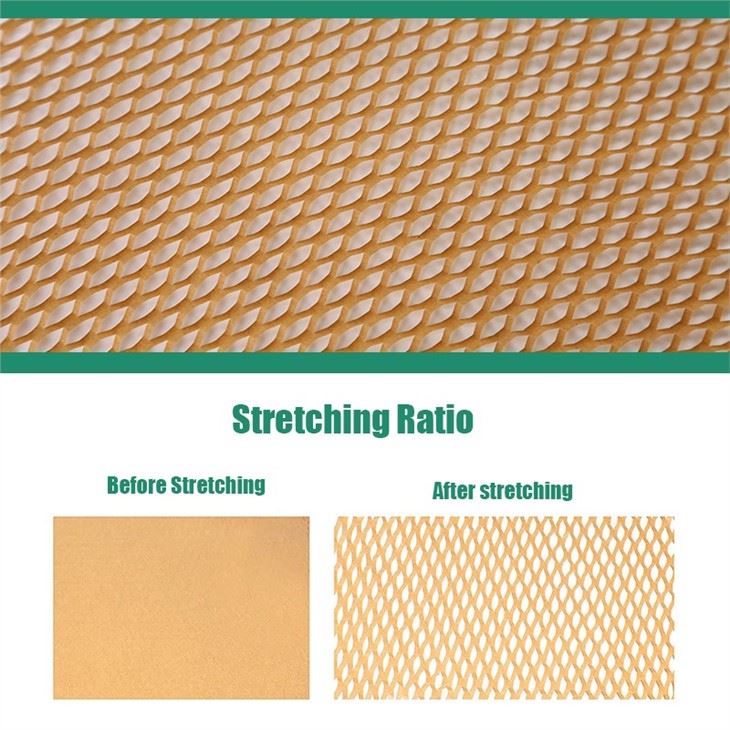
For example, the Honeycomb Paper Cutting Machine can be used to create custom - sized honeycomb mailers with precision. These mailers can then be printed with the unique identifiers using a high - quality printing system. The CRM system can track which customers have scanned the codes or entered the barcodes, and the email marketing platform can send the appropriate personalized emails.
Case Studies
Let's look at a few case studies to illustrate the effectiveness of integrating honeycomb mailers with personalized emails.
Case Study 1: An Art Gallery
An art gallery started using honeycomb mailers to ship their paintings. Each mailer had a QR code that, when scanned, led to a personalized landing page. The landing page thanked the customer for their purchase and asked them to sign up for the gallery's email list. After signing up, customers received a personalized email that included information about the artist, upcoming exhibitions, and exclusive discounts. As a result, the gallery saw a 30% increase in email sign - ups and a 20% increase in repeat purchases.
Case Study 2: A Tech Startup
A tech startup that sold high - end headphones used honeycomb mailers to protect their products during shipping. They collected customer data at the time of purchase and sent personalized emails after the product was delivered. The emails included tips on how to get the most out of the headphones, related accessories, and user - generated content. This approach led to a 25% increase in customer engagement and a 15% increase in cross - selling.
Challenges and Solutions
While integrating honeycomb mailers with personalized emails offers many benefits, there are also some challenges. One of the main challenges is ensuring that the customer data is accurate and up - to - date. If the data is incorrect, the personalized emails may not be relevant, which can lead to a negative customer experience.
To overcome this challenge, businesses should implement data validation processes. For example, when a customer signs up for the email list, they can be asked to confirm their information. Additionally, businesses can use data cleansing tools to remove any duplicate or inaccurate data from their CRM system.
Another challenge is getting customers to scan the QR codes or enter the barcodes on the honeycomb mailer. To address this, businesses can offer incentives such as discounts, freebies, or exclusive content. The messaging on the honeycomb mailer and the landing page should also be clear and compelling.
Conclusion
In conclusion, honeycomb mailers can indeed be used to send personalized emails. By leveraging unique identifiers, customer data collection, and the right technology, businesses can create a powerful marketing strategy that combines the physical and digital worlds. The benefits of integrating honeycomb mailers with personalized emails, such as enhanced customer experience, increased brand awareness, and higher conversion rates, make it a worthwhile investment.
If you're interested in exploring how honeycomb mailers can be integrated into your personalized email campaigns, or if you're looking for high - quality honeycomb mailer products such as Honeycomb Paper Packaging, I encourage you to reach out. We'd be happy to discuss your specific needs and help you create a customized solution.
References
- "The Power of Personalized Emails in Marketing" - MarketingProfs
- "Customer Experience Management: Best Practices" - Harvard Business Review
- "Packaging Design and Brand Awareness" - Journal of Consumer Marketing