

Is cushion paper suitable for shipping? This is a question that many businesses and individuals grapple with when it comes to selecting the right packaging materials for their shipping needs. As a cushion paper supplier, I have witnessed firsthand the diverse requirements and concerns of our clients. In this blog post, I will delve into the various aspects of cushion paper and evaluate its suitability for shipping.
The Basics of Cushion Paper
Cushion paper, also known as packing paper or wrapping paper, is a type of paper used to protect items during shipping and storage. It is typically made from recycled materials, making it an environmentally friendly option. The paper is designed to absorb shock and vibrations, preventing damage to the contents of the package. Cushion paper comes in various forms, including rolls, sheets, and pads, and can be used for a wide range of products, from fragile glassware to electronic devices.
Advantages of Using Cushion Paper for Shipping
1. Cost - Effective
One of the most significant advantages of cushion paper is its cost - effectiveness. Compared to other packaging materials such as foam peanuts or air pillows, cushion paper is relatively inexpensive. This makes it an attractive option for businesses looking to reduce their packaging costs without compromising on the quality of protection. For small and medium - sized enterprises, the savings on packaging materials can add up over time, contributing to improved profit margins.
2. Environmentally Friendly
As mentioned earlier, cushion paper is often made from recycled materials. This means that using cushion paper for shipping helps to reduce the demand for virgin materials and minimizes the environmental impact. In today's world, where sustainability is a growing concern for consumers and businesses alike, choosing an eco - friendly packaging option can enhance a company's reputation and appeal to environmentally conscious customers.

3. Versatility
Cushion paper is extremely versatile. It can be easily cut, folded, or shaped to fit the specific needs of different products. Whether you are shipping a small, irregularly shaped item or a large, flat object, cushion paper can be customized to provide the necessary protection. It can also be used in combination with other packaging materials to create a more comprehensive packaging solution. For example, cushion paper can be used to line the inside of a box, while a layer of bubble wrap can be added for extra protection around the product.
4. Shock Absorption
The primary function of cushion paper is to absorb shock and vibrations during shipping. The paper's fibrous structure allows it to compress and expand, effectively cushioning the contents of the package. This helps to prevent damage caused by impacts, drops, or rough handling during transit. When properly used, cushion paper can significantly reduce the risk of breakage or damage to fragile items.
Disadvantages of Using Cushion Paper for Shipping
1. Limited Protection for Heavy or Bulky Items
While cushion paper is effective for protecting lightweight and moderately sized items, it may not provide sufficient protection for heavy or bulky products. The paper's shock - absorbing capacity is limited, and it may not be able to withstand the forces exerted on large or heavy items during shipping. In such cases, alternative packaging materials such as foam inserts or corrugated cardboard partitions may be more suitable.
2. Susceptibility to Moisture
Cushion paper is made of paper, which means it is susceptible to moisture. If the package is exposed to water or high humidity during shipping, the cushion paper can become wet and lose its effectiveness. This can lead to mold growth and damage to the contents of the package. To mitigate this risk, it is important to use moisture - resistant packaging or add a moisture - barrier layer to the package when shipping items in humid environments or during rainy seasons.
3. Space Consumption
Cushion paper can take up a significant amount of space in a package. Unlike some other packaging materials that can be compressed or inflated to fit the available space, cushion paper needs to be loosely packed to provide effective shock absorption. This can result in larger package sizes, which may increase shipping costs, especially for carriers that charge based on dimensional weight.
Comparing Cushion Paper with Other Packaging Materials
1. Foam Peanuts
Foam peanuts are a popular packaging material known for their excellent shock - absorbing properties. However, they are not environmentally friendly as they are made from non - biodegradable materials. In contrast, cushion paper is a more sustainable option. Foam peanuts can also be messy to handle, as they tend to stick to clothing and equipment. Cushion paper, on the other hand, is clean and easy to use.
2. Air Pillows
Air pillows are another common packaging material. They are lightweight and can be inflated to fill the empty spaces in a package. While air pillows provide good shock absorption, they can be punctured easily, which reduces their effectiveness. Cushion paper is more durable in this regard and does not rely on air pressure for protection.
3. Bubble Wrap
Bubble wrap is well - known for its ability to protect fragile items. It has a layer of air bubbles that act as a cushion. However, bubble wrap is not as environmentally friendly as cushion paper. Additionally, bubble wrap can be more expensive, especially for large - scale shipping operations.
Real - World Applications of Cushion Paper in Shipping
Cushion paper is widely used in various industries for shipping purposes. In the e - commerce industry, it is commonly used to pack small items such as jewelry, cosmetics, and electronics. The paper provides a cost - effective and reliable way to protect these products during transit. In the food industry, cushion paper can be used to line boxes and protect food items from damage. It can also be used in the art and antiques industry to wrap delicate paintings, sculptures, and other valuable items.
Honeycomb Paper Packaging Solutions
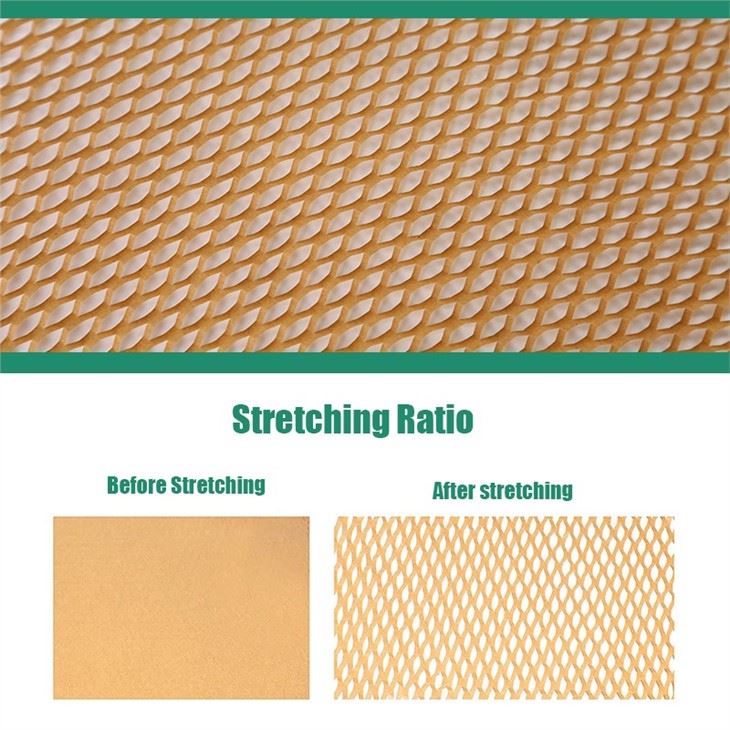
If you are looking for more advanced cushioning options, we also offer Honeycomb Paper Packaging. Honeycomb paper has a unique structure that provides excellent shock absorption and strength. It is suitable for shipping larger and heavier items. Our OEM Honeycomb Paper Wrap Dispenser makes it easy to use honeycomb paper for packaging. And for customized needs, we have Custom Kraft Paper Honeycomb Wrap that can be tailored to your specific product dimensions and requirements.
Conclusion
In conclusion, cushion paper is a suitable option for shipping a wide range of products, especially lightweight and moderately sized items. It offers several advantages such as cost - effectiveness, environmental friendliness, versatility, and shock absorption. However, it also has some limitations, particularly when it comes to heavy or bulky items and moisture - prone environments. By understanding the pros and cons of cushion paper and comparing it with other packaging materials, businesses can make an informed decision about whether it is the right choice for their shipping needs.
If you are interested in learning more about our cushion paper products or other packaging solutions, we invite you to contact us for a procurement discussion. Our team of experts is ready to assist you in finding the most suitable packaging materials for your specific requirements.
References
- Packaging Digest. (2023). "The Ultimate Guide to Packaging Materials".
- International Safe Transit Association. (2022). "Best Practices for Shipping and Packaging".
- Journal of Packaging Technology and Research. (2021). "Comparative Analysis of Different Cushioning Materials for Shipping".