

Introduction
In today's fast-paced and environmentally conscious market, sustainable packaging solutions have become a top priority for businesses worldwide. Honeycomb paper wrap, known for its lightweight, durable, and eco-friendly properties, has emerged as a preferred choice for industries ranging from e-commerce to manufacturing. If you're a procurement professional looking to understand the manufacturing process and identify reliable suppliers, this guide will provide you with the necessary insights to make informed decisions.
Understanding Honeycomb Paper Wrap
Honeycomb paper packaging is a packaging material made from kraft paper formed into a hexagonal honeycomb structure. This design provides an excellent strength-to-weight ratio, making it ideal for protecting fragile or heavy items during transport and storage.
Unlike traditional bubble wrap or foam wrap, honeycomb paper packaging is recyclable, biodegradable, and free of toxic chemicals, perfectly aligned with sustainable development goals.
The Manufacturing Process
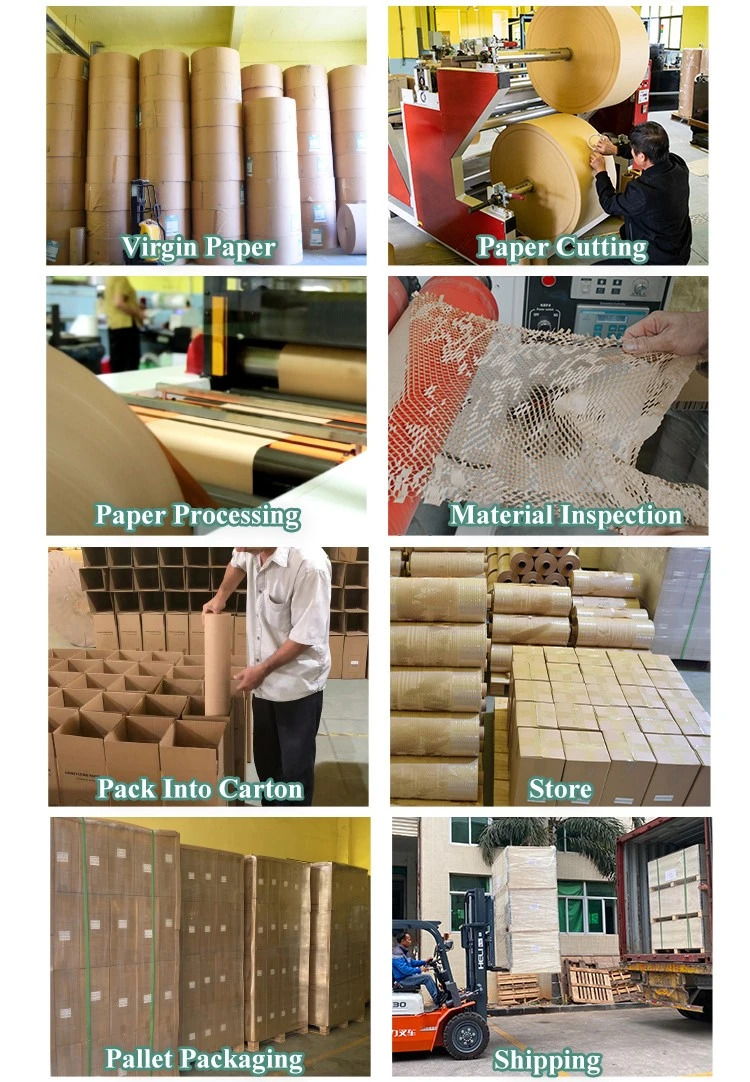
The production of honeycomb paper packaging involves several specialized steps and is made through fully automated honeycomb paper making machines, which go through the following processes to ensure that the final product meets high quality and performance standards.
Here is a breakdown of the process:
a. Raw Material Selection
• High-quality paper: The manufacturing process begins with the selection of premium kraft or recycled paper that is durable and lightweight.
• Adhesives: The paper layers are bonded using a non-toxic, water-based adhesive, ensuring that the final product is safe for both workers and the environment.
b. Corrugating Process
• The paper is fed into the corrugator, heated, shaped, and pressed into a honeycomb shape. This step is critical as it determines the structural integrity and cushioning properties of the packaging.
• Advanced machines ensure the accuracy of the corrugation, forming consistent and uniform cells.
c. Pressing
• After the honeycomb structure is formed, it is laminated with a flat liner to provide additional strength and durability. This step also enhances the water resistance of the packaging, making it suitable for outdoor and harsh environments.
d. Cutting and Forming
• The finished honeycomb paper is then cut into sheets, rolls, or custom shapes as per customer requirements. High-speed cutting machines ensure accuracy and efficiency at this stage.
e. Quality Control
• Before shipping to customers, honeycomb paper packaging is rigorously tested to ensure it meets industry standards for tensile strength, puncture resistance, and cushioning performance.
Key Benefits of Honeycomb Paper Packaging
As a procurement professional, it is critical to understand the benefits of honeycomb paper packaging to justify its use in the supply chain:
•Sustainability: Honeycomb paper packaging is made from renewable resources, which reduces carbon footprint and aligns with global sustainability initiatives.
•Cost-effectiveness: Despite its high performance, honeycomb paper packaging is lightweight and space-saving, which reduces shipping costs and storage requirements.
•Customization: Available in a variety of widths, colors, and sizes, it can be customized to the specific needs of your product.
•Eco-friendly alternative: It replaces traditional plastic and bubble packaging, helping to reduce waste and control pollution.
Tips for choosing a honeycomb paper wrap manufacturer
When purchasing honeycomb paper wrap, consider the following factors to ensure that you are working with a reliable and professional manufacturer:
• Certification: Look for manufacturers that have obtained certifications such as ISO, FSC, etc.
• Customization options: Make sure the manufacturer can provide tailored solutions to meet your specific packaging needs.
• Sustainability practices: Verify that the manufacturer uses environmentally friendly materials and processes to minimize the impact on the environment.
• After-sales support: Reputable manufacturers should provide technical support, samples, and trial orders to help you test the product before full implementation.
Conclusion
Honeycomb paper wrap is more than just a packaging material; it's a strategic solution for businesses looking to enhance their sustainability credentials while maintaining product safety and cost efficiency. By understanding the manufacturing process and selecting the right supplier, you can ensure your procurement decisions align with both business and environmental goals.
Ready to transition to sustainable packaging? Contact us today to explore our range of honeycomb paper wrap solutions and discover how we can meet your unique needs.