

Induction
Shipping sensitive electronic products, such as printed circuit board assemblies (PCBAs), optical sensors, laboratory instruments, and high-end audio gear, requires a packaging setup that accounts for static, vibration, and heavy drop impact. Unlike general consumer goods, electronics often combine fragile glass displays or delicate solder joints with high unit weights. Standard plastic bubble wrap or loose-fill foam peanuts frequently fail when heavy components shift inside the box during transit.
To eliminate transit damage without introducing non-recyclable plastic waste, modern fulfillment centers are shifting toward a hybrid paper system. This guide covers the main physical hazards of shipping electronics, demonstrates how a three-part hybrid paper packaging system works, and reviews a real-world warehouse case study.
Physical and Environmental Hazards in Fragile Electronics Shipping
Before selecting void fill packaging solutions, packaging engineers must analyze the specific failure modes that occur inside a shipping container or delivery truck. Electronics suffer from three distinct hazards during transit.
Mechanical Shock and G-Force Acceleration
When a parcel drops from a sorting belt or the back of a delivery truck, the kinetic energy transfers directly into the carton. If the packaging material lacks sufficient energy absorption, the G-force spike cracks internal circuit boards, fractures ribbon cable connectors, or shatters glass screens. Effective cushioning must decelerate the item gradually rather than transmitting the impact force directly to the product.
Triboelectric Static and Surface Scratches
Plastic-based void fill materials,such as expanded polystyrene (EPS) peanuts and traditional polyethylene (PE) bubble rolls-generate triboelectric charges through friction during transport. Unshielded microcontrollers and sensitive semiconductor components can suffer electrostatic discharge (ESD) damage even if the physical housing remains intact. Furthermore, rough plastic films constantly rubbing against anodized aluminum or polished plastic housings cause micro-abrasions that lead to customer returns.
Material Compression and Item Migration
A common issue in void filling is material fatigue. Under continuous vibration during long-distance trucking, loose materials like foam peanuts compress and settle to the bottom or sides of the box. This creates empty pockets inside the carton, a defect known as item migration. Once empty space opens up, the product gains momentum during handling and strikes the inner walls of the corrugated box.
The Hybrid Void Fill Strategy
Honeycomb Wrapping Paper, Kraft Paper Pads, and Water-Activated Tape
No single material solves every packaging challenge. A robust void fill packaging solution for heavy or complex electronics combines three specialized paper-based materials into an integrated packing process:
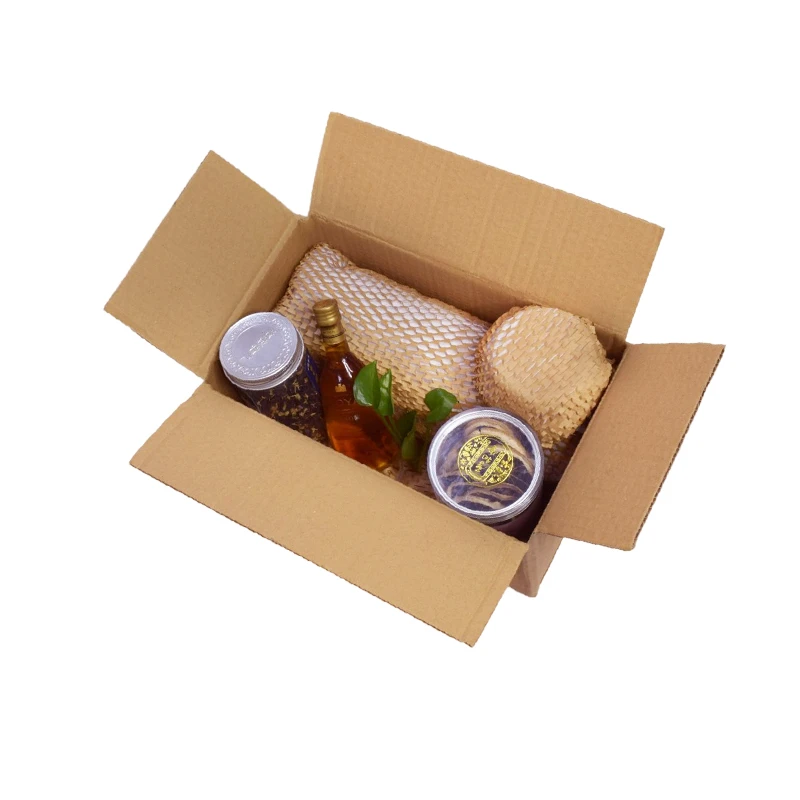
1)Surface Wrap: 3D Honeycomb Wrapping Paper
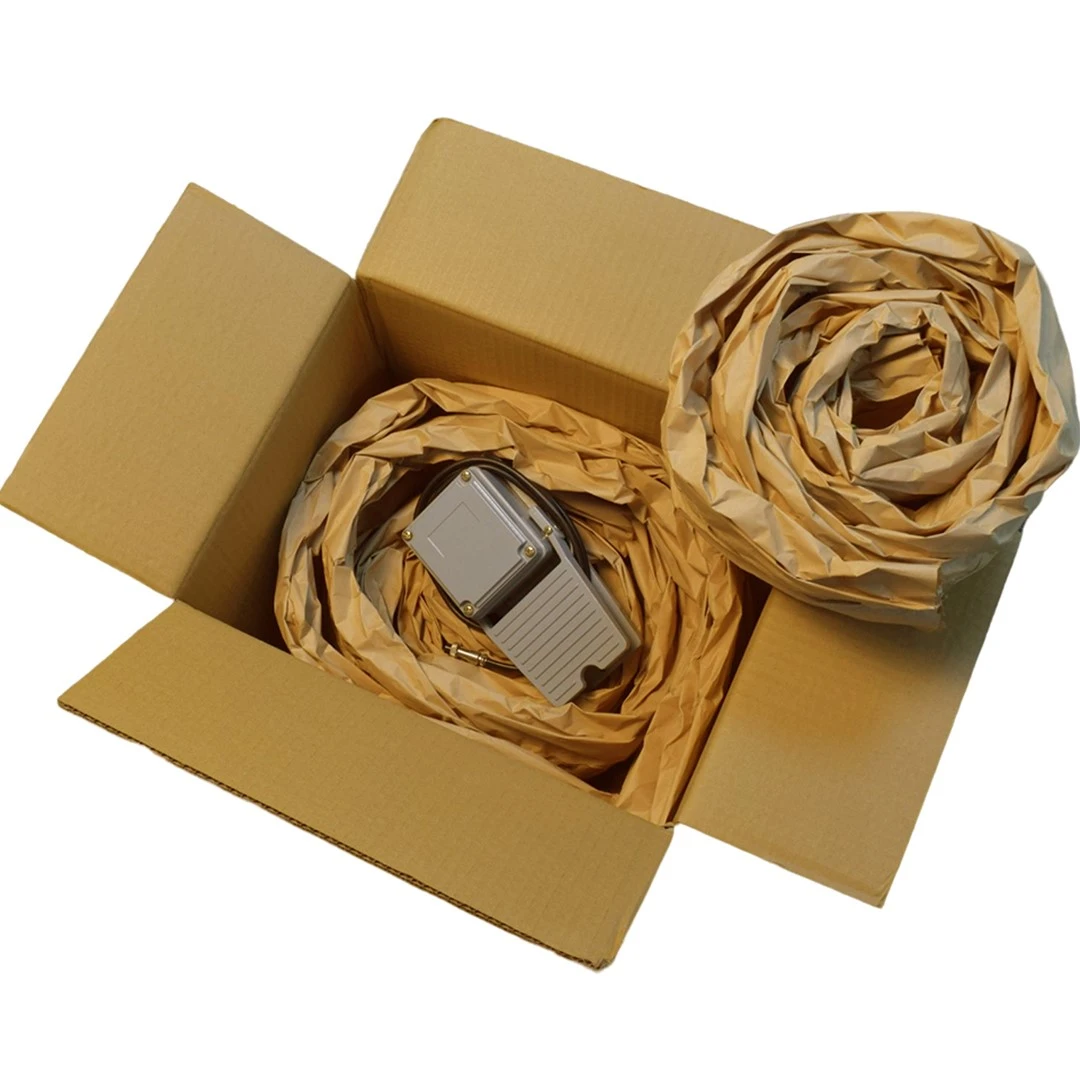
2)Cushioning & Void Fill: High-Density Kraft Paper Pads
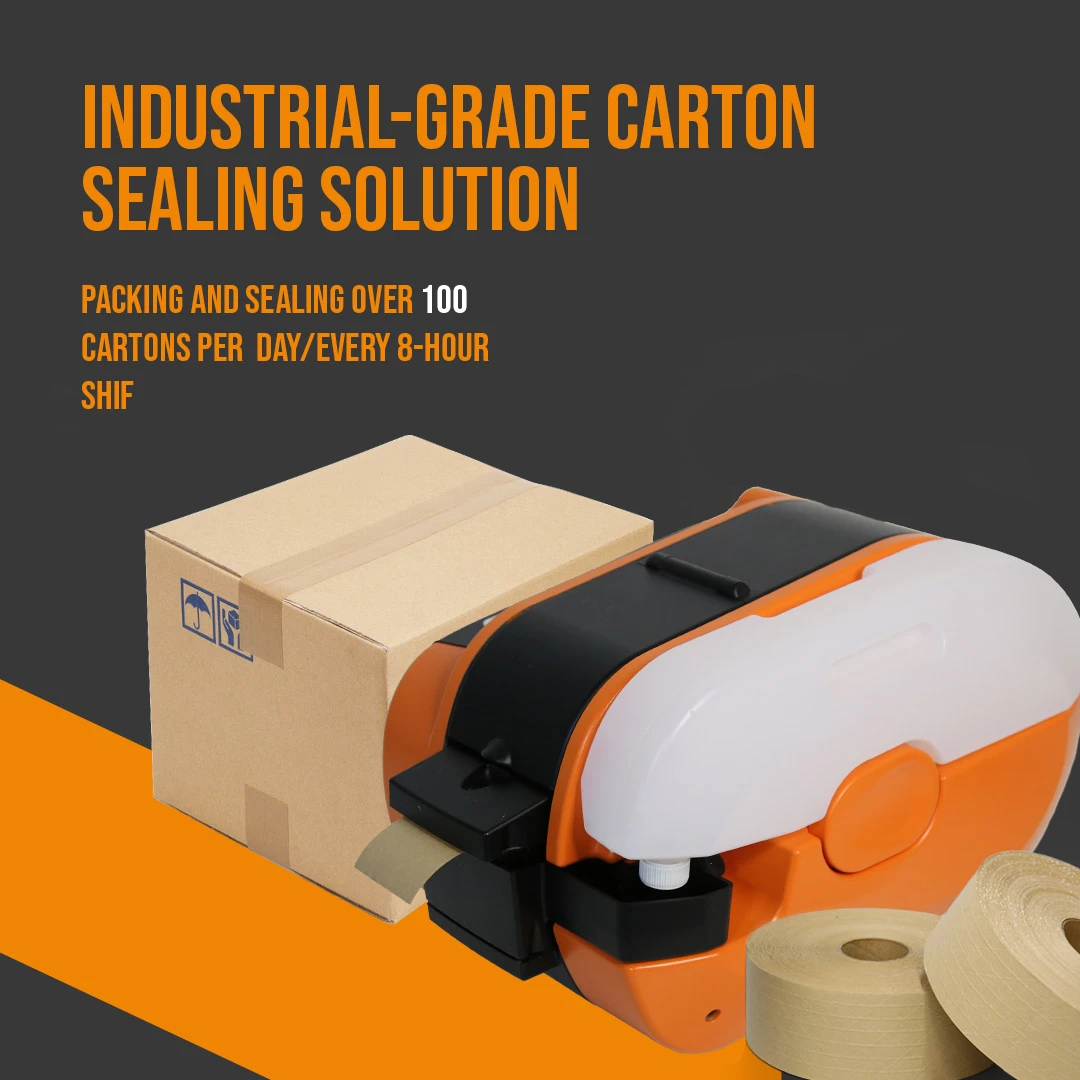
3)Carton Sealing: Reinforced Water Activated Paper Tape (WAT)
Honeycomb Wrapping Paper for Surface Protection
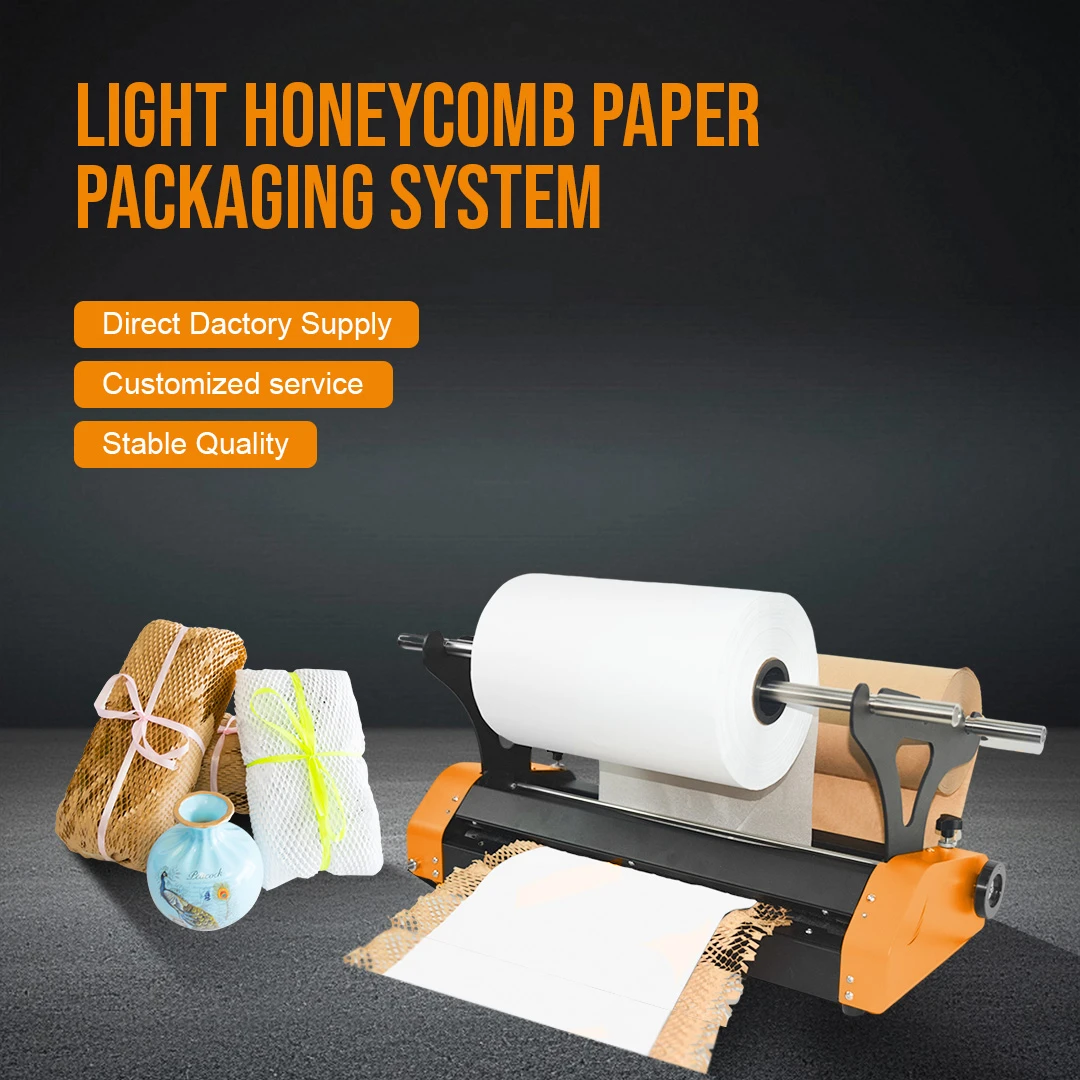
Honeycomb wrapping paper is made from kraft paper processed via die-cutting and slitting. When stretched using an automatic or manual dispenser, the paper expands to form a three-dimensional, hexagonal mesh structure.
Interlocking Structure: Lightweight and pliable, the paper expands into a naturally interlocking honeycomb pattern where the mesh cells grip and secure themselves. This allows packers to wrap items firmly without the need for plastic tape.
Non-Abrasive Protection: The soft kraft paper surface prevents scratches on touchscreens, camera lenses, and coated metal casings.
Static-Free: The paper does not generate static electricity from friction, making it safe for wrapping electronic components in standard environments without the need for additional anti-static (ESD) shielding bags.

Kraft Paper Cushioning Pads for Shock Absorption and Void Filling
For heavy electronic equipment, such as power supplies, desktop servers, or industrial control cabinets, lightweight packaging materials alone are insufficient to absorb the kinetic energy generated during a drop from a height. Industrial-grade paper cushioning systems compress multiple layers of kraft paper into thick, resilient cushioning pads.
Base and Corner Cushioning: Placing a dense paper cushioning pad at the bottom of the carton creates a buffer layer that effectively absorbs G-force impacts.
Product Immobilization: Filling the voids around the item with paper cushioning pads securely locks the product in the center of the box, ensuring it does not shift even under intense, sustained vibration during transport.
Water activated paper tape for ensuring carton structural integrity
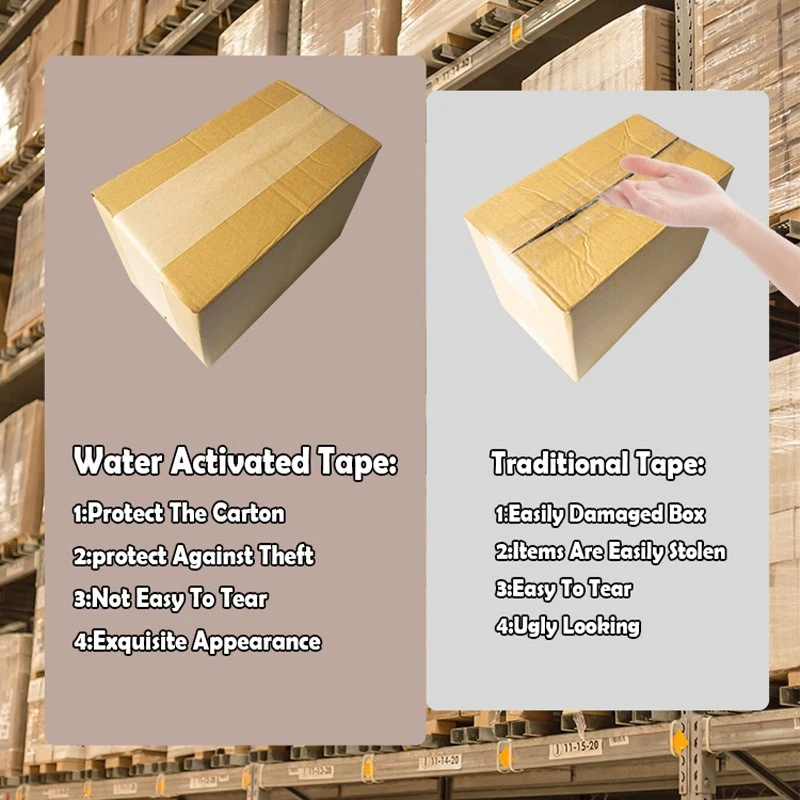
Internal void-fill materials can only provide their intended protection if the outer carton maintains its structural shape. Traditional BOPP (biaxially oriented polypropylene) plastic tapes rely on pressure-sensitive acrylic adhesives, which may peel off when exposed to moisture, low temperatures, or significant internal pressure.
Substrate bonding: Water activated tape (WAT) utilizes a natural starch-based adhesive. When moistened by an electric water activated tape dispenser, the adhesive penetrates the fibers of the corrugated carton, creating a permanent bond.
Tamper-evident properties: Once the carton is sealed, the tape cannot be removed without tearing the carton's surface. This means that if a package containing high-value electronics is opened during transit, clear, visible evidence of tampering will be left behind.
Packaging Material Performance Comparison
| Feature | Honeycomb Paper Wrap | Kraft Paper Pads | Reinforced Water-Activated Tape |
| Primary Function | Surface Protection & Scratch Prevention | Heavy Void Fill & Shock Absorption | Outer Carton Structural Sealing |
| Material Structure | Expanded 3D Hexagonal Cell Mesh | Crimped Multi-Ply Paper Spring Pad | Crimped Multi-Ply Paper Spring Pad |
| Material Structure | Expanded 3D Hexagonal Cell Mesh | Crimped Multi-Ply Paper Spring Pad | Kraft Paper with Fiberglass Reinforcement |
| Static Risk | Zero Triboelectric Charge | Zero Triboelectric Charge | Non-Conductive / Static Neutral |
| Storage Advantage | Compact Rolls (Expands 1.5x - 1.8x) | On-Demand Conversion from Paper Rolls | Compact Tape Rolls |
Case Study: Reducing Transit Damage for an Audio Electronics Manufacturer
Background and Operational Problem
A manufacturer exporting precision digital-to-analog converters (DACs) and high-fidelity amplifiers faced a 4.2% product return rate due to shipping damage. The units weighed between 4 kg and 8 kg each and featured brushed aluminum faceplates and exposed control knobs.
The original packaging process used standard plastic bubble wrap, loose EPS foam peanuts, and 48 mm BOPP plastic tape.
An engineering review identified three primary causes for the returns:
Peanut Compression: Loose EPS peanuts shifted during ocean container transport, causing heavy amplifiers to sink to the bottom of the box and impact the pallet floor.
Surface Abrasion: The PE bubble wrap rubbed against the anodized aluminum knobs, causing fine surface wear and cosmetic rejections.
Tape Failure: Pressure-sensitive plastic tape loosened in humid port warehouses, causing outer box flaps to pop open.
Tape Failure: Pressure-sensitive plastic tape loosened in humid port warehouses, causing outer box flaps to pop open.
The Integrated Paper Packaging Solution
The company replaced all plastic materials at their packing stations with a three-part paper packaging line:
Wrapping Station: Packers used an automatic honeycomb paper dispenser to wrap each audio unit. The expanded paper protected the aluminum knobs and glass LED displays without needing tape.
Cushioning Station: An industrial paper cushion machine produced 70 mm thick crimped kraft paper pads. Packers placed one pad underneath the wrapped unit and folded two pads around the sides to fill the void completely.
Sealing Station: An electric water activated tape dispenser cut 70 mm reinforced water-activated tape to exact length, applying an H-seal across the top and bottom carton seams.
Within 90 days of implementing the new system, the manufacturer recorded clear improvements in cost and performance:
Damage Rate Reduction: Product returns caused by shipping damage dropped from 4.2% down to 0.3%, saving thousands of dollars in warranty replacements and freight charges.
Packing Speed Improvement: Total packing time per box decreased from 95 seconds to 48 seconds (a 49% increase in throughput). Preset length feeding on the electric tape dispenser and fast wrapping with honeycomb paper removed the need for manual cutting with scissors or tape guns.
Storage Space Savings: Replacing bulky rolls of pre-inflated bubble wrap and bags of foam peanuts with compact paper rolls reduced packaging material storage requirements in the warehouse by 72%.
Conclusion
Implementing Paper-Based Void Fill Systems
Protecting sensitive electronics requires a combination of surface protection, shock absorption, and secure carton sealing. By replacing loose plastic fill with an integrated setup- Honeycomb Paper for wrapping, Kraft Paper Cushioning Pads for heavy void fill, and Water Activated Tape for rigid box sealing- warehouses can lower damage rates, increase packing throughput, and maintain an environmentally friendly packaging workflow.