Views: 0 Author: Site Editor Publish Time: 2026-07-27 Origin: Site
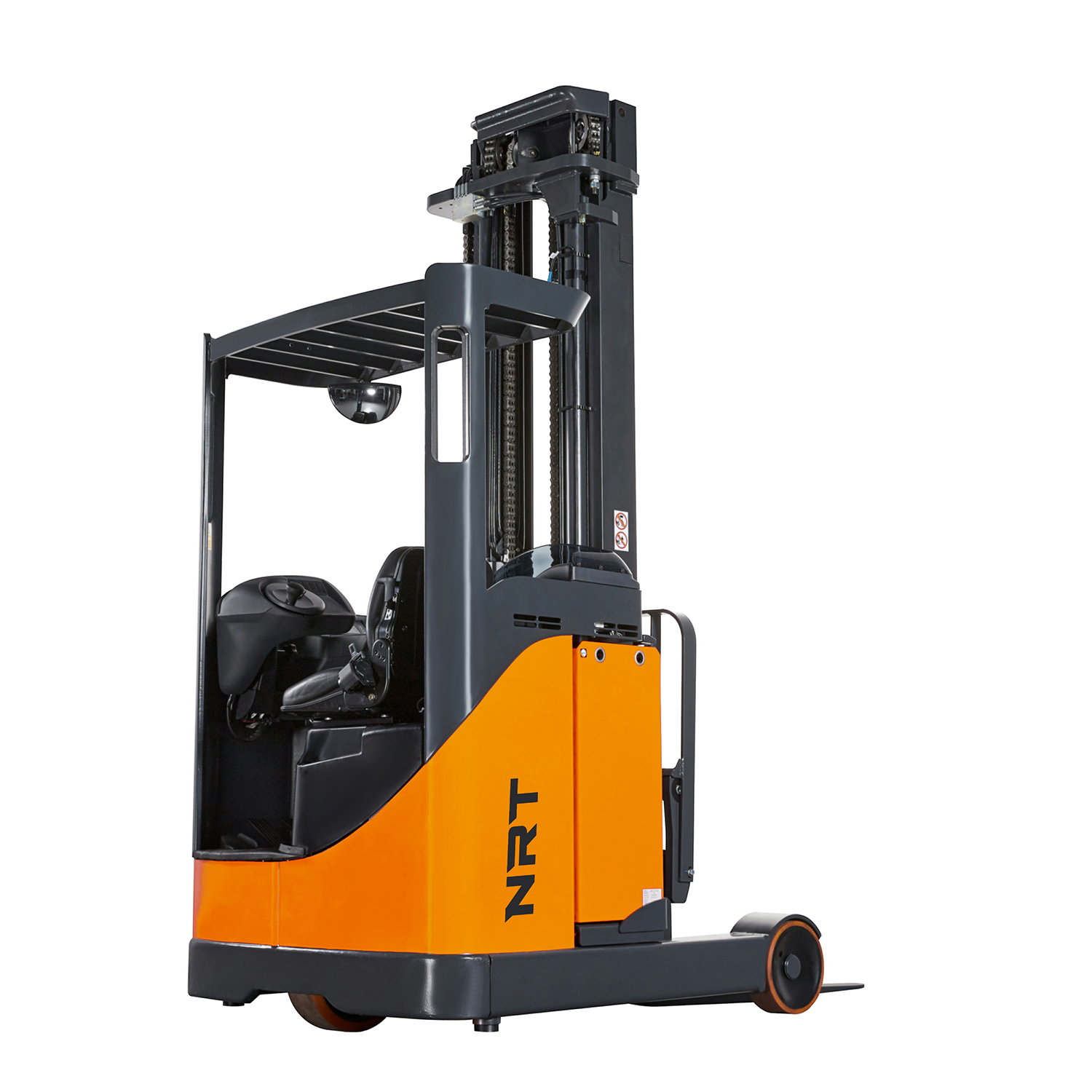
Facility footprint costs are rising rapidly across the supply chain. You face a tough choice today. You can acquire expensive new real estate, or you can build up. Many warehouse operators now realize they must utilize vertical space to stay competitive. We introduce Reach Trucks as precision-engineered solutions designed specifically for high-density, narrow-aisle storage. You will learn how these specialized vehicles solve critical space constraints and improve facility scalability. We evaluate their operational fit thoroughly. They recover massive amounts of wasted floor space. However, we also acknowledge their strict operational requirements. They demand highly specific infrastructure. Operators need stringent, specialized training to maneuver safely. Initial capital investments also exceed standard counterbalance equipment. This guide provides an evidence-oriented evaluation of these constraints. You will discover exactly how these machines impact your bottom line and layout.
Space Optimization: Reach trucks can operate in aisles as narrow as 8 to 9 feet, recovering up to 35% of warehouse floor space.
Vertical Capacity: Designed to access racking systems up to 40+ feet, though load capacities derate at extreme heights.
Infrastructure Constraints: They require perfectly level warehouse floors and are strictly for indoor, controlled environments.
Total Cost of Ownership: The higher upfront cost is typically offset by the avoidance of facility expansion or third-party logistics (3PL) fees.
Standard forklifts create a severe aisle width penalty. You need 12 to 14 feet of clearance for basic turning radii. This mathematical reality traps potential revenue in empty floor space. A standard counterbalance truck simply demands too much turning room. We often see operations wasting valuable square footage just for navigation. You pay lease rates on empty air.
Consider the exact mathematics of traditional warehousing. A typical facility designates roughly 40 percent of its floor strictly to aisles. You lose massive revenue-generating potential every single day. Narrowing those aisles directly translates to higher pallet density. You can instantly store more product under your existing roof.
Vertical bottlenecks also restrict your operational growth significantly. Standard masts become highly unstable at extreme heights. They lack the physical reach for tier-4 or tier-5 racking setups. This limits your overall warehouse volume utilization severely. You cannot maximize your cubic space efficiently. Operators face massive safety risks daily. They cannot push standard equipment beyond safe lift limits. Mast deflection becomes dangerous above 20 feet.
You must carefully calculate the cost of inaction today. Outgrowing a facility presents massive financial risks. Consider these three common scenarios:
You pay exorbitant commercial lease rates for a second building.
You outsource storage to expensive third-party logistics providers.
You adapt and re-rack for high-density storage internally.
Re-racking offers a smarter, more controllable path forward. It makes financial sense when you utilize specialized equipment. It allows you to stay in your current building much longer. High-density storage prevents the severe disruption of a full facility relocation.
How do they fundamentally differ from standard forklifts? Mechanics play a huge role in this differentiation. They use a unique straddle stance for ultimate stability. The truck uses its own battery and base weight to stabilize loads. The load stays securely within the vehicle wheelbase. Standard forklifts rely on a massive, heavy rear counterweight. This iron counterweight makes them significantly longer and bulkier overall.
Mast mechanisms define the two primary equipment types perfectly.
Pantograph (Scissor Reach): This design extends the carriage outward using a scissor mechanism. It works perfectly for double-deep racking applications. Operators can easily reach into the second rack position.
Moving Mast: The entire mast assembly moves forward along internal rails. These models dominate in Europe and specialty environments. They handle harsh operating conditions remarkably well. Cold storage facilities prefer them due to fewer moving hydraulic parts.
Operator positioning also sets these machines apart from traditional models. You will notice a side-stance or forward-stance design immediately. This setup heavily optimizes operator visibility for upward load placement. However, it requires a completely different ergonomic approach entirely. It does not feel like driving a seated counterbalance forklift. Operators stand during their entire shifts. Side-stance models allow operators to look in both directions effortlessly. They reduce neck strain during repetitive transport tasks. This stance improves line of sight significantly. It requires physical adjustment from your seasoned drivers.
Feature | Counterbalance Forklift | Narrow Aisle Alternatives |
|---|---|---|
Typical Aisle Width | 12 to 14 feet | 8.5 to 9.5 feet |
Operator Position | Seated, forward-facing | Standing, side or forward |
Max Lift Height | 20 to 25 feet | Up to 45 feet |
Primary Counterweight | Heavy iron rear block | Straddle legs and battery |
Capacity derating at height stands out as a crucial evaluation factor. Buyers must never rely purely on the maximum capacity specification. A 4,500-pound capacity truck cannot safely lift 4,500 pounds to its maximum height. Physics strictly dictates this operational reality in material handling. As the forks travel higher, the safe load limit drops significantly. You must always consult the specific manufacturer data plate.
Imagine lifting a heavy pallet of industrial liquids. The mast sways slightly as it extends upward. The center of gravity shifts drastically away from the wheelbase. You might only safely lift 3,000 pounds at 30 feet. Ignoring this capacity derating invites catastrophic warehouse accidents. Equipment tipping remains a severe industry hazard.
Battery management impacts your daily shift cycles heavily. Lithium-ion batteries allow seamless opportunity charging. They support multi-shift operations easily and efficiently. You simply plug them in during short operator breaks. The battery charges while operators eat lunch. Traditional lead-acid batteries cost noticeably less upfront. However, they require dedicated, ventilated battery rooms. You also have to physically swap them out between busy shifts. This swapping process eats into productive working hours.
You also need to choose between double-deep or single-deep racking setups. Double-deep configurations require a specialized deep-reach mast mechanism. This setup saves even more valuable floor space. You eliminate additional aisles entirely from the blueprint. The main trade-off is a measurable decrease in picking speed. Operators spend more time maneuvering forks into the second pallet position. They must navigate around the front pallet carefully. This setup favors LIFO inventory systems heavily.
Floor flatness requirements present a major, often overlooked operational risk. These trucks demand highly level floors to function safely. They strictly adhere to F-min concrete standards. Minor concrete divots cause severe mast sway at 30 feet. A tiny bump on the floor translates to dangerous instability overhead. You must repair uneven concrete diligently before deployment. Grinding high spots and filling joints become common prerequisites.
OSHA compliance introduces distinct operator training hurdles. Standard forklift certification absolutely does not cover narrow aisle vehicles. They belong to Class II equipment categories. The steering mechanism often feels completely counter-intuitive to veterans. Restricted visibility operations demand rigorous, specialized training courses. You must invest time in recertifying your entire warehouse team. The certification involves both written and practical driving exams.
Maintenance nuances set transparent expectations for long-term upkeep. Load wheels experience intense, focused wear and tear constantly. The reach mechanism itself requires frequent lubrication and strict inspection. The smaller polyurethane wheels degrade much faster on imperfect floors. You must plan for significantly tighter maintenance schedules. This proactive planning prevents sudden breakdowns during peak shipping seasons.
Common mistakes include ignoring routine load wheel inspections entirely. Polyurethane chunking happens when wheels strike hard floor debris. You must sweep floors daily to protect these highly sensitive wheels. Wood splinters and loose shrink wrap cause immense damage.
You must balance the space versus equipment equation carefully. We provide a straightforward framework for this exact comparison. Compare the cost of a new Reach Trucks fleet against real estate expansion. Calculate your current commercial real estate leasing rates per square foot. Multi-tier racking usually wins this financial comparison easily.
Throughput efficiency directly impacts your overall warehouse operations. Specialized lift and lower speeds boost daily productivity metrics. Camera and laser guidance systems improve pallet placement accuracy. These features positively impact your pallet-per-hour numbers. Operators spend much less time guessing fork placement at 40 feet. They rely on digital monitors to guide the tines flawlessly.
You should take specific shortlisting actions today. We recommend following a structured, evidence-oriented procurement approach.
Conduct a comprehensive warehouse aisle audit. Measure exactly how much space you can realistically reclaim.
Calculate required lift heights carefully. Apply specific manufacturer derating formulas to your heaviest pallets.
Evaluate your warehouse floor condition immediately. Hire a professional to test for F-min flatness compliance.
Request on-site equipment demos from trusted local dealers. Seeing the machine navigate your actual aisles proves invaluable.
Review the maintenance network of your chosen dealer. Ensure they dispatch technicians quickly during operational emergencies.
We strongly advise a skeptical, data-driven approach during procurement. Always map specific truck specifications directly to exact warehouse dimensions.
We can summarize the strategic value of these machines clearly. They represent far more than basic material handling tools. They act as strategic facility-extension investments for growing businesses. You maximize your current cubic volume efficiently. You delay or eliminate the need for expensive new buildings.
Advise a highly skeptical, purely data-driven approach to your procurement. Always map specific truck specifications directly to exact warehouse dimensions. Consider your unique load profiles carefully before signing any contracts. Evaluate your floor conditions thoroughly to prevent accidents. You avoid expensive implementation failures through careful upfront planning. Take action by auditing your warehouse aisles this week.
A: No. Low ground clearance and polyurethane wheels make them strictly for smooth, indoor surfaces. Outdoor gravel or asphalt destroys the wheels quickly. They lack the heavy counterweight needed for uneven terrain.
A: Generally, they require 8.5 to 9.5 feet of clearance. This depends heavily on your specific pallet size and the exact truck model. Compare this directly to the 12+ feet required for standard counterbalance forklifts.
A: We emphasize capacity derating rules here. Safe lifting capacity varies significantly by manufacturer and mast design. It generally reduces the base capacity by 20 to 40 percent. Always consult the specific load capacity data plate before lifting.